
How Architecture Influences Our Design Decisions: Lessons from Trent Park's Royal Mews

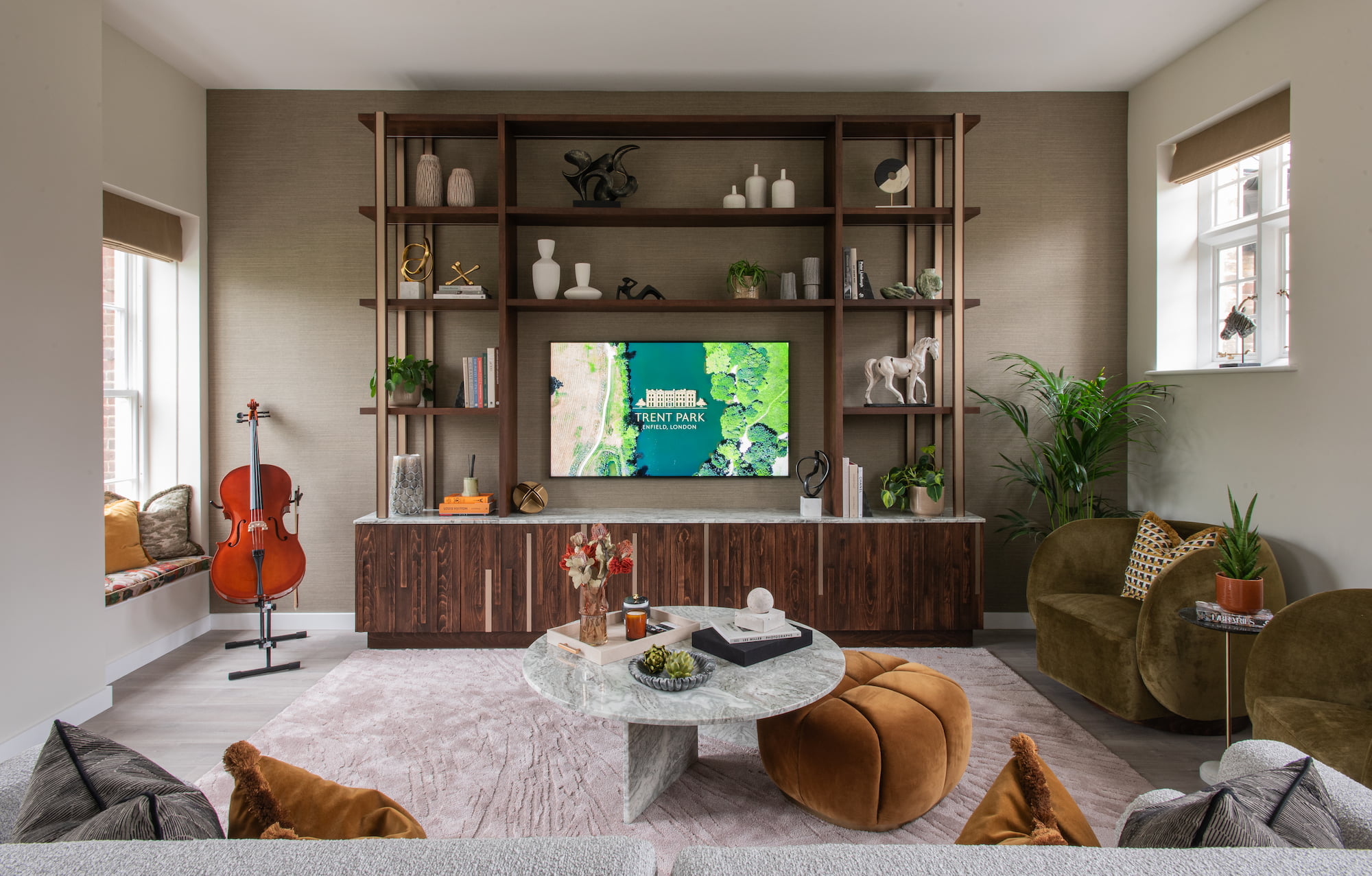
What does it take to create a contemporary, highly desirable interior within a historic building?
That was the challenge behind the Royal Mews show homes at Trent Park, a converted Stable block once visited by Queen Elizabeth II
The Windsor was our seventh design project at Trent Park and The Buckingham our tenth. By this point, we'd spent seven years working across the estate, watching the parkland change through the seasons and developing a much deeper understanding of its history. Every project had its own homage to that history. From my first visit to the Stable Block, it became clear that this was an opportunity for much more than simply referencing the building's history. This was a designer's dream. It was an opportunity to preserve the inherent character of the building while creating a contemporary home that people would genuinely want to live in.
And so the process began: understanding the architecture, the character of the building and the people who would ultimately call it home.
Looking beyond the furniture
When people think about interior design, they often think about furniture, fabrics and accessories. While these elements are important, they don't drive our creative process.
One of the most interesting aspects of working within a historic building is discovering how many design decisions are influenced by the architecture. The aim wasn't to recreate a traditional country house interior or to create something that felt overly contemporary. Instead, we wanted the interiors to feel as though they belonged within the building. When architecture is allowed to lead the design process, the result often feels more natural and considered.
At the Royal Mews, the windows became an important reference point. Their shape influenced the softer lines found throughout the furniture and lighting, while the original brickwork inspired details within the bespoke joinery.
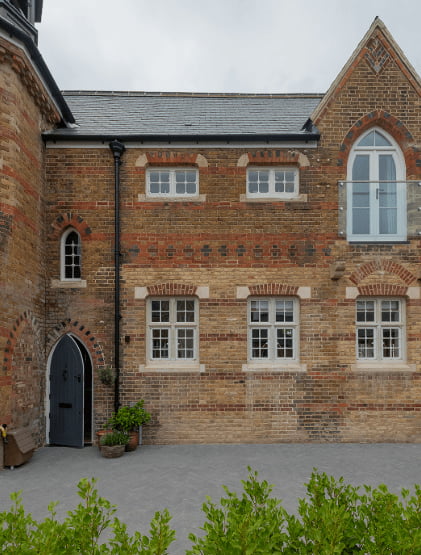
For inspiration, we started by looking at the building itself, the heritage, the parkland. I thought about the previous owners of the Mansion House through history. What did these people love about this place and what did they value? They loved the countryside, the gardens, their horses. They probably loved watching the landscape change through the seasons. They were from strong families, with an appreciation for art and beautiful things. I had the idea that the people who would choose live here today would have similar values.
The concept and how we made these homes feel unique
The Windsor became The Art Collector's Home.
I imagined a family who had spent years collecting pieces that reflected their experiences and interests. Art would play a central role in the interior, sitting alongside rich colours, natural materials and furniture that felt both timeless and comfortable.
The colour palette was inspired by the estate itself. Greens, warm yellows and earthy tones reflected the changing landscape outside, while fabrics such as Liberty's Mount Edo referenced Trent Park's Japanese water garden. Woven wall coverings sit alongside opulent velvets and House of Hackney's leafy jacquard Silva.
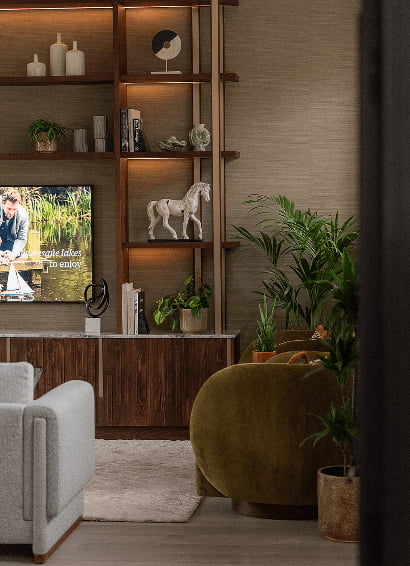
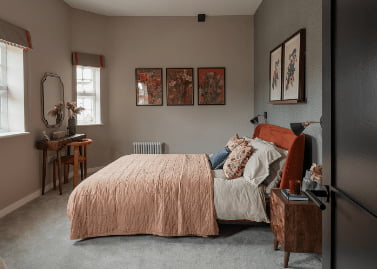
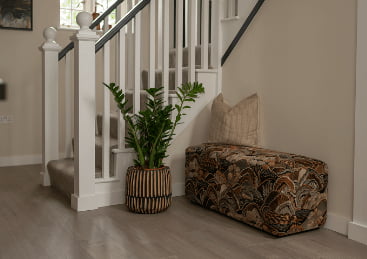
The Buckingham concept was "The Party House", drawing inspiration from Phillip Sassoon's tenancy in the roaring 20's. We introduced a more dramatic palette of blues, warm beige and terracotta pinks. We imagined a busy family, with demanding work and school schedules during the week, and hectic social calendars at the weekend. The Royal Mews would be a haven, a place where they would look forward to coming through the door. Weekends would be filled with dinner parties, cocktails and a sing-song around the piano. A home where I believe Phillip Sassoon would have felt very happy to reside.
We selected warm and vibrant velvets, cushions with art deco inspired prints. The indulgent Alpi Verde rich green marble for the lounge coffee and side tables and Zoffany's Verdure in silver blue with a hint of pink for the guest bedroom. A rich linen weave featuring landscapes and waterfalls.
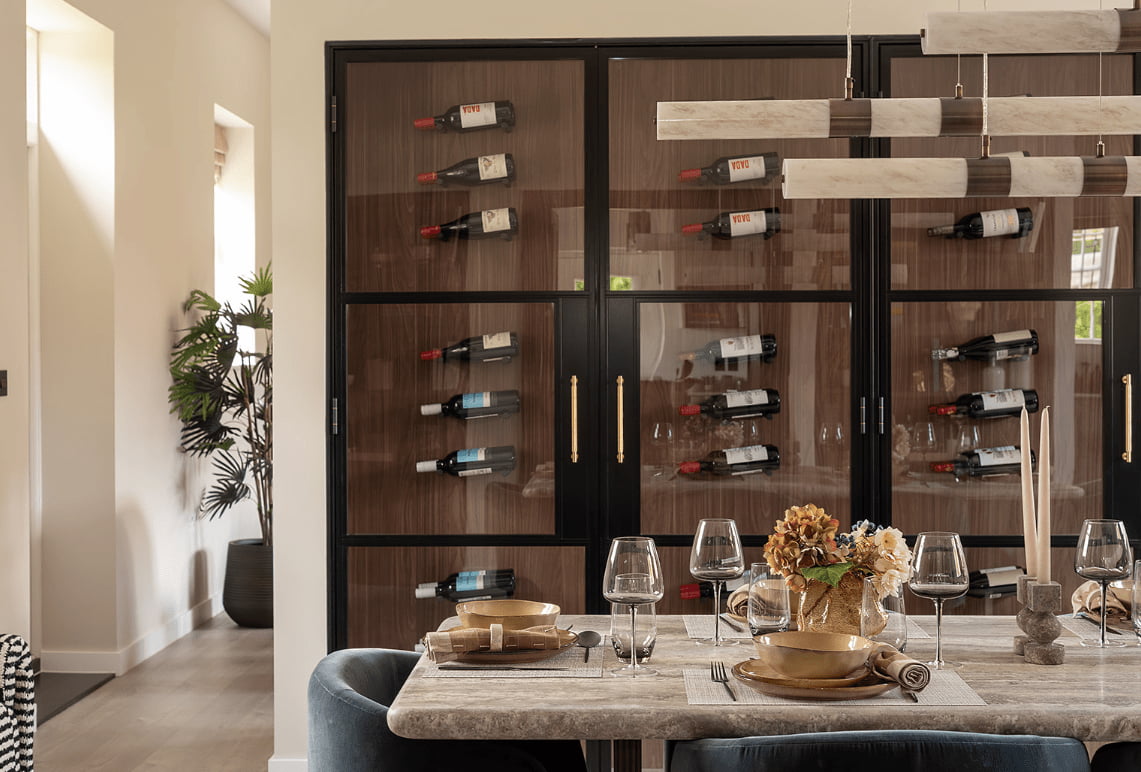
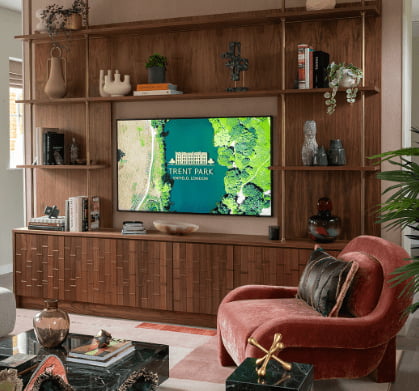
Although the two homes sit right next door to each other and within the same historic setting, they were never intended to feel the same. Each was designed to have its own personality while remaining true to the character of the Royal Mews.
Creating homes for modern living
One of the biggest challenges with heritage properties is balancing character with functionality. Honouring heritage should never come at the expense of comfort.
The homes needed to celebrate the building's history while still supporting the way people live today.
Furniture layouts were carefully considered to create practical, comfortable spaces. Window seats were designed to make the most of the surrounding views, while layered lighting helped create a more relaxed and welcoming atmosphere.
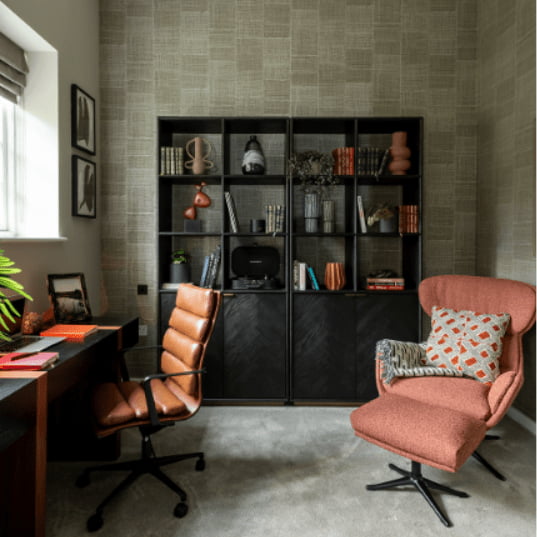
In both homes we created spaces for quiet reflection. In the Windsor we transformed a ground floor study into a space to read and listen to music. In the Buckingham we turned a smaller bedroom into a study with dark timber bookcases and a comfortable armchair.
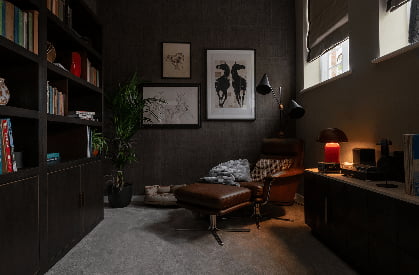
Every decision was made with the same questions in mind: how will this space be used and experienced every day? How can we make the most of this incredible location.
What Trent Park has taught us
After seven years and ten homes at Trent Park, one thing has become increasingly clear: the most successful interiors don't begin with trends. They begin with understanding.
Understanding the building, the history and the details that make a place unique will always lead to more authentic interiors. The Royal Mews reminded us that great design isn't about imposing a particular aesthetic. It's about creating homes that feel connected to their surroundings and designing spaces people can genuinely imagine themselves living.
FAQs
You may have some questions

Ready to discuss your project?
If you’re planning a show home, staging scheme, or bespoke interior, we can help you shape the brief, scope the work, and plan the next steps.
